Deuteronomy 30 is considered the first and most important Prophecy of Israel's return to her Promised Land. Other Prophecies we turn to from Prophets like Isaiah are arguably just elaborating on that.
Some think this can apply to 1948 and what's been going since. I long ago sorta agreed with that, but have during the time I've written on this blog been inclined to agree with those who say it obviously can't fit, and my mind as of this post hasn't entirely changed on that, but.......
Nehemiah chapter 1 quotes Deuteronomy 30, as having already being fulfilled by the return from the Babylonian Captivity.
Unless you want to reject the Canonocity of Nehemiah, (which I know of people who would, but I'm not addressing this post to them,) you have to accept this as correct. Now another Captivity happening under Rome is why we know there is another return from Captivity coming. But Deuteronomy 30 has been fulfilled at least once already.
Doesn't matter how at face value laughable it seems. Critics of Christianity mock plenty of the New Testament's claims of Old Testament fulfillment. But good Christians should accept and defend those no matter what. From Peter applying the end of Joel 2 to Pentecost, to the claim that Jesus was a Nazarite because he was from a town called Nazareth. I've gone out of my way on this blog to defend the New Testament's quotations of Isaiah 7 and 8. But the Acts 2 reference is more comparable here, yet equally criticized by some, as it's about a stage in God's Covenant relationship with His People.
Christians can believe there is a second fulfillment coming, that may be grander then the first, as I certainly do with Joel and Pentecost in my view of Revelation 6-7. But we can't question the accuracy of the cited fulfillment. We use Scripture to Interpret Scripture.
That means Nehemiah has destroyed much of the argument that it's absurd to apply these Prophecies to 1948. It's no longer true that it has to be something obviously Supernatural, and that no Gentile human governments can be the means by which God does it.
I would argue the Anglican British Government (and the Rothschilds if you insist on overstating their involvement) come closer to being worshipers of The God of The Torah then the devout Mithra worshiping Cyrus, or the Zoroastrians who made the later decrees.
But the main reason I can argue 1948 fits better is that it more naturally fits the idea that they're returning from all over the world, from it's very edges, from many nations. While in Nehemiah's day at face value it seems like a return from just one nation. Perhaps we could infer these decrees also became a rallying cry to Israelites who wound up in other regions for whatever reason, but if so that was only a small part of it. The prophecies specify people returning by Ships, they specify Israelites returning from Ethiopia, and somehow even people returning by air (but not all of them, that will be important later). Those details fit 1948 and since, but are harder to apply to Nehemiah's time.
Rob Skiba, one of the main people I'm responding to here, is totally against viewing that return as including the Northern Kingdom's exiles. Though Chris White and Chuck Missler argue it did, that Babylon inherited Assyria's captives. However Assyria never kept them in Assyria in the first place, and Ezra and Nehemiah's long lists of returning clans includes no references to Joseph, Ephraim, Manasseh, Reuben, Gad or Naphtali. Asher wasn't part of the Assyrian deportation in the first place which is why Anna was in Judea. Yet again the people saying clearly 1948 can't fulfill these are basing it partly on asserting modern Jews are only from the Southern Kingdom.
The only thing one could argue that Return had that today's doesn't is returning in obedience.
Christians typically assume they can't be returning in obedience unless they've accepted Yeshua/Jesus as their Messiah. But to a Jew that's a non issue, and they would be offended if you told them otherwise. Fortunately I've become a Universalist. I do believe the culmination of all this involves Jesus being recognized as The Messiah, but at the start of the process I know there are other ways to be obedient. So I won't offend Jews by telling them God's Promises to them doesn't apply till they accept Jesus.
Now there is a strictly Hebrew Bible basis for questioning the obedience of modern Israel that some have made, and that's how they aren't even really trying to govern themselves by the Torah. Some online today limit Canon to only The Torah, they reject Nehemiah so I can't really respond to them here. Ironically in this case it's being a Paulian Evangelical Universalist Christian that makes it easier to defend Israel here. To me Paul's declaration that we aren't under The Law anymore doesn't apply just to Christians, Jesus saved and liberated everyone. And as a civil Government the Torah is utterly unworkable in the modern world.
But if I were a citizen of modern Israel, there are plenty of policies of the modern government I would object to.
So the question becomes, was Israel in perfect obedience in Nehemiah's day? By some priorities they were more so then modern Israel. But no, they certainly still had issues that the Prophets from that time period like Zechariah, Haggai and Malachi were addressing.
But they no longer had the main problem that lead to the Captivity, their tendency to fall into Idolatry was cured. Whether or not modern Israel still has the same issues as first Century Judaism would be a complicated debate, but since most Modern Jews aren't Sadducees, I think a good case can be made that they don't, from a Christian, Rabbinic or Karaite perspective.
So it is my view that 1948 was the beginning of the restoration of Israel, but it's not complete yet. Ezekiel 37 clearly isn't fulfilled until the Resurrection. The time between the Decrees of Cyrus and Nehemiah was longer then between 1948 and now, and Nehemiah's decree was only the beginning of another phrase.
The issue of Israel's return is also part of the Rapture debate. You see to many Post-Tribbers the Rapture is the same as Israel's return, hence the emphasis on saying it must be a supernatural return. Ignoring the clear references to many returning by "Ships of Tarshish".
The Church is New Jerusalem/Yahuah-Shammah. But we're not all there is to Israel, there is still the land allotted to the Tribes, the Levites, the Priests and the Prince, which are all separate from Yahuah-Shammah. It's after the Rapture that Israel is protected in the Wilderness.
Post-Tribbers deny that we are actually taken to Heaven at the Rapture. Jesus clearly said in Mark 13:27 "And then shall he send his angels, and shall gather together his elect from the
four winds, from the uttermost part of the earth to the uttermost part of
heaven.". But more importantly then that, Revelation 13 says the Best will Blaspheme "Them that dwell in Heaven", chapter 14 has the Resurrected 144 Thousand on the Heavenly Zion. New Jerusalem doesn't descend until after the Millennium and Gog and Magog and the White Throne Judgment.
Saturday, November 4, 2017

Friday, November 3, 2017
Dispensations and Dispensationalism
Dispensationalism has become a name for a very particular view on Biblical History/Prophecy in terms of God's Covenants with humanity, that is virtually inseparable from the Pre-Trib Rapture (and to an extent political Zionism).
I ultimately am not a Dispensationalist, even though I may agree with them on a few things over those who insist NOTHING changed at The Cross or Pentecost.
The word Dispensation does appear in the Bible, in Ephesians 3:2 for example. But often words like Age, Eon, Aion, or Olam might better fit what people mean by Dispensation.
Other Eschatological models involve God dividing history into different Ages as well. All of them to some degree really.
Conventional Preterism's problem is that it's largely based on saying the Age of the Old Testament, the Law and the Prophets, didn't end till 70 AD. So they can make the "Church Age" synonymous with the Millennium and/or New Jerusalem. But Paul taught in places like Ephesians 3 and Galatians 3 that the age of The Law was already past and we were already in the next Age, the Age of Grace, and did so in letters known to be written well before 66 AD.
Likewise Jesus said the Law and the Prophets were until John (The Baptist). Now I've seen some Preterists respond to that by acting like the Old Covenant can't end till the Blood of the New Covenant was shed, but that is silly. The age of the Israelites being slaves in Egypt ended a few months before the Mosaic Covenant was made at Sinai. A new Covenant can't be made till the old one is severed. And I believe John died six or seven months before Jesus, probably in Tishri, around the same time of year he was conceived. Just as John's birth and conception were six months before Jesus.
The Temple rituals were still being carried out for 40 years after the deaths of Jesus and John. But the Talmud records that those offerings were no longer being accepted for 40 years before The Temple was destroyed.
Josephus in Wars of the Jews also records the Divine Presence leaving The Temple before 70 AD, but I think it was longer before then Josephus and his interpreters realized, Josephus didn't witness it directly. Some of what Josephus describes happening in the Nisan before that fit what the above Talmud passage places 40 years before, mainly the not being able to keep doors shut. Something similar is also placed on the day Jesus died in one of those alternate Hebrew versions of Matthew the early church fathers quoted.
Now for those Torah centric Hebrew Roots people who are offended by suggesting The Law will end. The Torah never said it would be forever, that is a translation error.
The word translated "Everlasting" or "Forever' or "Eternal" when referring to things like the Levitical Priesthood, The Sabbath and the Holy Days is Olam, which means age or eon, it does not actually mean forever. Whether it's Exodus 40:15, or Leviticus 16:34, or Leviticus 24:8, or Numbers 25:13. Same with Exo 21:6, Exo 27:21, Exo 28:43, Exo 29:28, Lev 6:18, Lev 6:22.
In Deuteronomy 33:27, Olam is used of the "everlasting arms" but a different word is used to directly call God Eternal.
Likewise the phrase "all the days", which is introduced about time periods that have an end in Genesis 3:14-17. And again in Genesis 5. And it's also used of the Nazarite vow in Numbers 6. If "all the days" is being used of something that is also defined as an Olam, an Age, then it clearly means all the days of that age, just as it can also mean all the days of someone's life. Taking the phrase to inherently mean all the days of eternity, it completely illogical.
Exodus 19:5-6 foretells there will be a time when all of the Nation will be Yahuah's Priests. The temporariness of The Torah is implied in The Torah.
I ultimately am not a Dispensationalist, even though I may agree with them on a few things over those who insist NOTHING changed at The Cross or Pentecost.
The word Dispensation does appear in the Bible, in Ephesians 3:2 for example. But often words like Age, Eon, Aion, or Olam might better fit what people mean by Dispensation.
Other Eschatological models involve God dividing history into different Ages as well. All of them to some degree really.
Conventional Preterism's problem is that it's largely based on saying the Age of the Old Testament, the Law and the Prophets, didn't end till 70 AD. So they can make the "Church Age" synonymous with the Millennium and/or New Jerusalem. But Paul taught in places like Ephesians 3 and Galatians 3 that the age of The Law was already past and we were already in the next Age, the Age of Grace, and did so in letters known to be written well before 66 AD.
Likewise Jesus said the Law and the Prophets were until John (The Baptist). Now I've seen some Preterists respond to that by acting like the Old Covenant can't end till the Blood of the New Covenant was shed, but that is silly. The age of the Israelites being slaves in Egypt ended a few months before the Mosaic Covenant was made at Sinai. A new Covenant can't be made till the old one is severed. And I believe John died six or seven months before Jesus, probably in Tishri, around the same time of year he was conceived. Just as John's birth and conception were six months before Jesus.
The Temple rituals were still being carried out for 40 years after the deaths of Jesus and John. But the Talmud records that those offerings were no longer being accepted for 40 years before The Temple was destroyed.
We read in the Jerusalem Talmud:And I know the Talmud gives it's own reason for this not making it about Jesus, but it's still there, exactly the right time frame.
"Forty years before the destruction of the Temple, the western light went out, the crimson thread remained crimson, and the lot for the Lord always came up in the left hand. They would close the gates of the Temple by night and get up in the morning and find them wide open" (Jacob Neusner, The Yerushalmi, p.156-157). [the Temple was destroyed in 70 CE] A similar passage in the Babylonian Talmud states:
"Our rabbis taught: During the last forty years before the destruction of the Temple the lot ['For the Lord'] did not come up in the right hand; nor did the crimson-colored strap become white; nor did the western most light shine; and the doors of the Hekel [Temple] would open by themselves" (Soncino version, Yoma 39b).
Josephus in Wars of the Jews also records the Divine Presence leaving The Temple before 70 AD, but I think it was longer before then Josephus and his interpreters realized, Josephus didn't witness it directly. Some of what Josephus describes happening in the Nisan before that fit what the above Talmud passage places 40 years before, mainly the not being able to keep doors shut. Something similar is also placed on the day Jesus died in one of those alternate Hebrew versions of Matthew the early church fathers quoted.
Now for those Torah centric Hebrew Roots people who are offended by suggesting The Law will end. The Torah never said it would be forever, that is a translation error.
The word translated "Everlasting" or "Forever' or "Eternal" when referring to things like the Levitical Priesthood, The Sabbath and the Holy Days is Olam, which means age or eon, it does not actually mean forever. Whether it's Exodus 40:15, or Leviticus 16:34, or Leviticus 24:8, or Numbers 25:13. Same with Exo 21:6, Exo 27:21, Exo 28:43, Exo 29:28, Lev 6:18, Lev 6:22.
In Deuteronomy 33:27, Olam is used of the "everlasting arms" but a different word is used to directly call God Eternal.
Likewise the phrase "all the days", which is introduced about time periods that have an end in Genesis 3:14-17. And again in Genesis 5. And it's also used of the Nazarite vow in Numbers 6. If "all the days" is being used of something that is also defined as an Olam, an Age, then it clearly means all the days of that age, just as it can also mean all the days of someone's life. Taking the phrase to inherently mean all the days of eternity, it completely illogical.
Exodus 19:5-6 foretells there will be a time when all of the Nation will be Yahuah's Priests. The temporariness of The Torah is implied in The Torah.
Thursday, November 2, 2017
Biblical Synecdoches and the Canaanites
Synechdoche according to Wikipedia.
I want to purpose a possible example most people aren't likely to think of.
Genesis 10:15-18 lists 13 sons or tribes of Canaan.
1 Kings 11 mentions only The Sidonians and the Hittites (Sidon and Heth). I wonder if they have become Synechdoches for all the Canaanites. Sidon the northern ones (Phoenicians as the Greek knew them) and the Hittites the southern ones, particularly those based in the Negev. Not unlike how for the Israelites of the region, Ephraim represents the Northern tribes and Judah the south.
This is a good time for me to talk about how the "Hittites" of Anatolia who are a common subject of Archeology, I do not believe are the Biblical Hittites. The Anatolians were Indo-Europeans who did not worship the Canaanite pantheon. 1 Kings 11 kind of implies the Hittites were closer to Solomon then the Sidonians, not further. Which would agree with other Biblical passages associating them with the area of Hebron, and also seemingly close to Edom. The "Hittites" of Anatolia may have come from Chittim son of Javan son of Japheth.
"A synecdoche (/sɪˈnɛkdəkiː/, si-NEK-də-kee; from Greek συνεκδοχή, synekdoche, lit. "simultaneous understanding")[1] is a figure of speech in which a term for a part of something refers to the whole of something or vice versa.[2] A synecdoche is a class of metonymy, often by means of either mentioning a part for the whole or conversely the whole for one of its parts. Examples from common English expressions include "bread and butter" (for "livelihood"), "suits" (for "businessmen"), and "boots" (for "soldiers") (pars pro toto), or conversely "America" (for "the United States of America") (totum pro parte).[3]"The most well known Biblical example of one is Paul using "Greeks" in certain contexts where he clearly means all of the Gentiles. Chuck Missler likes to show off his knowing this term on that subject.
I want to purpose a possible example most people aren't likely to think of.
Genesis 10:15-18 lists 13 sons or tribes of Canaan.
And Canaan begat Sidon his firstborn, and Heth, and the Jebusite, and the Amorite, and the Girgasite, and the Hivite, and the Arkite, and the Sinite, and the Arvadite, and the Zemarite, and the Hamathite: and afterward were the families of the Canaanites spread abroad.The last five of them never really appear as a Tribe later in The Bible, not even during the Conquest of Canaan. A few are echoed in place names, Arvad, Hammath, the wilderness of Sin. And even of the first six, the two that are named here as individuals rather then tribes are mentioned the most. The remaining four don't seem to be factors much anymore after David finally subdues all of the promised land.
1 Kings 11 mentions only The Sidonians and the Hittites (Sidon and Heth). I wonder if they have become Synechdoches for all the Canaanites. Sidon the northern ones (Phoenicians as the Greek knew them) and the Hittites the southern ones, particularly those based in the Negev. Not unlike how for the Israelites of the region, Ephraim represents the Northern tribes and Judah the south.
This is a good time for me to talk about how the "Hittites" of Anatolia who are a common subject of Archeology, I do not believe are the Biblical Hittites. The Anatolians were Indo-Europeans who did not worship the Canaanite pantheon. 1 Kings 11 kind of implies the Hittites were closer to Solomon then the Sidonians, not further. Which would agree with other Biblical passages associating them with the area of Hebron, and also seemingly close to Edom. The "Hittites" of Anatolia may have come from Chittim son of Javan son of Japheth.
Monday, October 23, 2017
The Vail of The Tabernacle
I did a post awhile ago on the theory that The Tabernacle might have actually been a Dome, and also speculated on Solomon’s Temple being the same. More recently I alluded to this in my post about where Solomon’s Temple was located.
What I want to talk about today is specifically the Vail that separates the Holy of Holies from the Holy Place.
The second Temple definitely did have the shape we normally think of, where The Vail basically splits one bigger room in half, that's how the Vail being torn when Jesus was Crucified was described.
The second Temple definitely did have the shape we normally think of, where The Vail basically splits one bigger room in half, that's how the Vail being torn when Jesus was Crucified was described.
But in the Hebrew, I’ve studied the use of the Hebrew word used for this Vail, Poreketh. It is often described as “covering” the Ark, and the Ark is often described as “within” the Vail. The first time it is mentioned in Exodus 26:31-32, it is hung upon four pillars.
So, I’m now thinking that the Holy of Holies is more like a smaller Tent within the Big Tent.
This helps make more sense actually out of how the Vail and the Holy of Holies are cited as the Biblical precedent for the Ciborium that many churches have, which is usually a sort of four pillared Canopy. The most famous currently standing one is probably St. Peter’s Baldachin which stands directly under the Dome of St Peter’s Basilica.
Ciboriums were originally built over Tombs it seems, including and possibly starting with the traditional site of Jesus Tomb in the Church of the Holy Sepulcher (it’s not there anymore, it now looks like a mini building under the Dome), which essentially does serve as the Holy of Holies if you look at that Church like an echo of The Temple/Tabernacle. The original version of St Peter’s Baldachin (which covers the traditional site of St Peter’s Tomb, though I think it’s actually Simon Magus buried there) was allegedly made from Pillars from Solomon’s Temple brought to Rome by Constantine.
Justinian’s Hagia Sophia in Constantinople seems to have popularized building them over Altars. I can’t discern whether or not the Nea Ekklesia of the Theotokos had one. An Altar was placed under the one in St Peter’s later. The current version of St Peter’s has four winged Angels over each Pillar.
It could be interesting to compare to the Cuppah, the Canopy of modern jewish wedding ceremonies, a custom which doesn't seem to be directly Biblical. But Christians love to look for typology in Jewish wedding customs.
The word appears three times in The Hebrew Bible, in Isaiah 4:5 where the KJV renders it “defence”, the context fits well as a reference to The Tabernacle. In Psalm 19:5 the KJV renders it “Chamber”, there the Bridegroom comes out of it. But in Joel 2:16 it’s rendered in the KJV “Closet”, and there the Bride comes out of it. Psalm 19 is using the Bridegroom as an idiom of God and/or the Messiah, fitting the expected typology. Joel 2:15&16 I’ve argued many times before is an Old Testament Prophecy of the Rapture.
Another Hebrew word for Vail or Veil is Radiyd. It’s very different from the one used for the Vail of the Tabernacle. But if it can be used as a synonym, it’s interesting how it’s only used twice. Isaiah 3:23 doesn’t seem to put any particular importance on it. But in Song of Songs 5:7 it is used of Shulamith (the Bride’s) Veil. And that’s interesting since I’ve argued, citing that verse, that Shulamith should be viewed as the type of Christ not of The Church.
The Second Temple did have the design we usually think The Temple had, we know this thanks to Josephus. Perhaps the Second Temple’s design was unwittingly influenced by Pagan Temples like the one at Ain Dara, often compared to Solomon’s Temple by skeptics. Here is one picture for reference. And another.
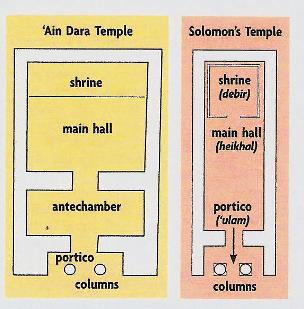
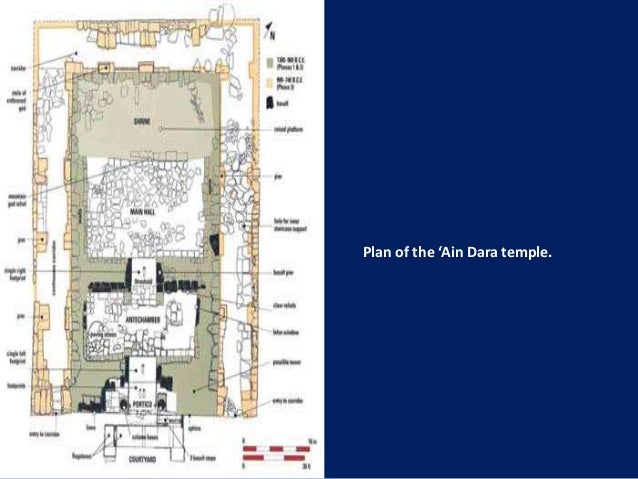
On the subject of potential relevance to the Abomination of Desolation. Much has been made of Paul in 2 Thessalonians using the Greek word Naos for Temple, and whether or not that supports a not strictly literal interpretation.
Thing is, that Greek Word has become also a name for a type of Egyptian Shrine, probably thanks to the Ptolemies. The wikipedia page for Ciborium suggests the Egyptian Naos was something similar. And the Naos was linked to the worship of Pharaoh, with Pharaohs often depicted as enthroned in one. So that adds some new context to my Egyptian Antichrist theory.
Interestingly, I saw a suggestion recently that the Vail of the Tabernacle/Temple represents Satan in a sense, it's Satan who separates us from God. This was suggested unrelated to debates about if the Tabernacle and Veil originally looked how we commonly think of them.
But the interesting context that provides here is the emphasis I put on how the Veil is described as "Covering" the Ark. And how Ezekiel 28:14 calls Satan the Anointed Cherub the Covereth. And verse 16 again describes him as "covering". It is commonly interpreted that this Cherub was a 5th Cherub. The four we usually think of surround the Throne, and Heylel ben Shahar covered it.
Now, Satan has his own Throne, mentioned in Isaiah 14, that Revelation says he will give to The Beast. And for the Egyptian connection, that fits Satan being Sobek, who was often viewed as the Patron of the throne and protector of Pharaoh. The Hebrew word for Covering or Covereth I just mentioned has also been translated "defend" in some places. Which fits the Pharaoh being the "Great Dragon" of Ezekiel 29:3 and Revelation 12:3-9. Which makes it interesting that the Vail is often thought to have been red.
And this would be a good time to remind people of my The Mercy Seat is NOT a Throne post.
Wednesday, October 18, 2017
Can Flesh and Blood inherit The Kingdom of God?
In 1 Corinthians 15:50 Paul says.
There is a lot of Context missing from how they abuse this quote. Before I deal with the immediate context of 1 Corinthians 15, I want to go back to Genesis.
In Genesis 2:23 after Eve is created Adam says "This is now bone of my bones, and flesh of my flesh: she shall be called Woman, because she was taken out of Man.". Notice that Blood wasn't mentioned here. Likewise Paul in Ephesians 6 describes Angels, (who clearly do have bodies Physical enough to Eat and have Sex, and for us to entertain them unawares,) as being not flesh and blood.
So this is perfectly consistent with the Doctrine that the true Resurrection is us being restored to how Adam and Eve were before The Fall, and similar to how Angels are. It may be that Blood exists because of Sin and that is why it's Blood that is Shed for Sin. Verses that call Wine the "Pure Blood of The Grape" have been taken as implying that the Fruit of the Tree of Knowledge was Grape like, and Blood is the product of eating that Fruit.
Now, 1 Corinthians 15:50-53 says.
The terminology would be of taking off, not putting on, if it was about our Spirits being freed from our Bodies.
I was seeing on Facebook someone who I think would qualify as a Partial Preterist say based on Thessalonians that there could be a long gap between the Resurrection and The Rapture. Well the Rapture technically isn't in 1 Corinthians 15, but Paul does say that within the "Twinking of an Eye" the Dead are Raised and the Living changed. And the clear implication is those living when the Dead rise won't "Sleep" here referring to physical death.
That utterly destroys the Preterist view that this is just about the Souls in Hades being liberated to go to Heaven.
Hades BTW was emptied at least of all Believers when Jesus went there between his Death and Resurrection, which Peter clearly refers to. The Harrowing of Hell.
InspiringPhilsphy also had a good video on this subject, they I disagree with him in other areas.
https://www.youtube.com/watch?v=rffmrioFnBY
Now this I say, brethren, that flesh and blood cannot inherit the kingdom of God;And this gets used by Preterists and others who want to deny The Resurrection we are looking forward to is of our physical Bodies and make it merely a Spiritual Resurrection. Especially since this passage is specifically on The Resurrection.
There is a lot of Context missing from how they abuse this quote. Before I deal with the immediate context of 1 Corinthians 15, I want to go back to Genesis.
In Genesis 2:23 after Eve is created Adam says "This is now bone of my bones, and flesh of my flesh: she shall be called Woman, because she was taken out of Man.". Notice that Blood wasn't mentioned here. Likewise Paul in Ephesians 6 describes Angels, (who clearly do have bodies Physical enough to Eat and have Sex, and for us to entertain them unawares,) as being not flesh and blood.
So this is perfectly consistent with the Doctrine that the true Resurrection is us being restored to how Adam and Eve were before The Fall, and similar to how Angels are. It may be that Blood exists because of Sin and that is why it's Blood that is Shed for Sin. Verses that call Wine the "Pure Blood of The Grape" have been taken as implying that the Fruit of the Tree of Knowledge was Grape like, and Blood is the product of eating that Fruit.
Now, 1 Corinthians 15:50-53 says.
Now this I say, brethren, that flesh and blood cannot inherit the kingdom of God; neither doth corruption inherit incorruption.
Behold, I show you a mystery; We shall not all sleep, but we shall all be changed, in a moment, in the twinkling of an eye, at the last trump: for the trumpet shall sound, and the dead shall be raised incorruptible, and we shall be changed. For this corruptible must put on incorruption, and this mortal must put on immortality.Making this consistent with saying only the Spirit is Resurrected requires an incredible torturing of the Text.
The terminology would be of taking off, not putting on, if it was about our Spirits being freed from our Bodies.
I was seeing on Facebook someone who I think would qualify as a Partial Preterist say based on Thessalonians that there could be a long gap between the Resurrection and The Rapture. Well the Rapture technically isn't in 1 Corinthians 15, but Paul does say that within the "Twinking of an Eye" the Dead are Raised and the Living changed. And the clear implication is those living when the Dead rise won't "Sleep" here referring to physical death.
That utterly destroys the Preterist view that this is just about the Souls in Hades being liberated to go to Heaven.
Hades BTW was emptied at least of all Believers when Jesus went there between his Death and Resurrection, which Peter clearly refers to. The Harrowing of Hell.
InspiringPhilsphy also had a good video on this subject, they I disagree with him in other areas.
https://www.youtube.com/watch?v=rffmrioFnBY
Saturday, October 14, 2017
Was the Second Temple even built on the same location as The First?
As I've repeatedly engaged in the ongoing debate of where The Temple was located, usually favoring the Southern Conjecture. This question has been in my mind, and I think I even alluded to it on this Blog before, but I've held off on going too deep into that issue.
The Book of Ezra's account of the Second Temple's construction never named Mt Moriah, or refereed to a threshing floor, nor said anything else to indicate they made sure it was the right spot. In fact the only books of The Bible they seem to have consulted were The Torah. And it had been over 50 years. Ezra also seems to imply they didn't even know the proper Hebrew language anymore.
And since The Tabernacle had been set up at multiple locations before The Temple, Yahuah may have not cared if it was built on the same spot anyway.
When Zerubabel's Temple was completed, it's said that the older generation wept because of how unlike the original Temple it was. This is generally taken to just mean it was inferior in terms of size or magnificence. But perhaps there is something deeper.
In my investigation into if The Tabernacle and perhaps also Solomon's Temple had a Dome design rather then the Box shape Josephus describes Herod's Temple having. It has been suggested that perhaps this mourning was partly because the new Temple had the wrong shape and wasn't a Dome. Perhaps the second Temple's construction was intentionally or subconsciously influenced by Pagan Temples like the one at Ain Dara, since they had spent so much time in exile among Pagans.
But perhaps they were also mourning it being built at the wrong location. Maybe those two things correlate, if the Temple's shape was changed because it was built on a squared rather then circular foundation?
Solomon also built a magnificent Palace complex for himself, that took nearly twice as long to build as The Temple did. 1 Kings 7:1-12 focuses on this. What if the site of Solomon's Palace was where the Second Temple was built by mistake? They assumed the largest ruin in the city was where The Temple was?
The Second Temple I still believe was about where the Al-Kas fountain is, or maybe I could accept the Al Aqsa Mosque view. But the Dome of The Rock was the Antonia Fortress, of that I'm certain.
Now when I first came to consider this I was working under an assumption many people have that Solomon's Palace was right by The Temple. Josephus seems to have thought it was to The South of The Temple. So that had me considering it being where the Al Aqsa Mosque was, and Solomon's Temple at the Al-Kas Fountain. I'd also thought of looking typologically at Ezekiel's Temple, how the Nasi's house is just west of the Holy of Holies. But Solomon's palace complex was larger and more complex then that one.
I notice however that Pharaoh's Daughter was moved to her house in II Chronicles 8:11 specifically to keep her at a distance from any place the Ark of the Covenant had been housed. So now I'm thinking perhaps Solomon's Temple was not in any place we're used to looking for it. This also refutes a suggestion I've seen that it's a misunderstanding Solomon built a house for himself and that 1 Kings 7 is just elaborating on The Temple complex, since 1 Kings 7 also clearly places the house for Pharaoh's Daughter here.
II Chronicles 3:1 is another important verse for refuting the Temple was in the City of David view. And perhaps working against it being in Jerusalem proper of David's time at all.
In this verse Mt Moriah is considered part of Jerusalem at this time. But it's clearly identified as the threshing floor of Ornan the Jebusite, also known as Araunah in II Samuel 24. Verse 23 of that chapter calls Araunah a King in the Hebrew, Wikipedia accuses English translations of obscuring this fact, but I feel it's implied well enough in the KJV reading.
Both the Samuel and Chronicles accounts of the Plague and buying the Threshing floor clearly place it outside Jerusalem at that time. David's purchase expanded what was considered part of Jerusalem, but when The Angel of Yahuah held off there, it's presented as approaching but not yet reaching Jerusalem.
Now my past assumptions about what Mount is Mt Moriah would say this must have been north of Jebus. But the Plague had already afflicted Israel "from Dan to Beersheba" so both to the north and south. So actually it may have approached from a different direction. Since the hills east of Jerusalem are where Solomon placed his Idols in 1 Kings 11 (The Mount of Olives), I feel like deducing this was approaching from the West.
I have since taking the Augustus view of Daniel 11:36-45, concluded that the Appeden of Daniel 11:45 is the Antonia fortress. Appeden is a Persian term that means "Audience Hall", and I've seen people describe one of the buildings mentioned in 1 Kings 7 as part of Solomon's palace as an Audience Hall. So what if the Antonia Fortress was built over Solomon's Temple? Maybe Solomon's Judgment Seat in 1 Kings 7:7 is about where Pilate's judgment seat was when he sentenced Jesus? Which would thus mean it included the Dome of The Rock, but maybe covered the entire Temple Mount.
So, if I'm going to look West for Solomon's Temple, where should we begin?
I decided to look at Maps of modern Jerusalem.
http://www.generationword.com/jerusalem101-photos/2010/jerusalem-map-for-site-location-1500.gif
http://c8.alamy.com/comp/DRHJ2F/the-plan-of-jerusalem-town-map-layout-DRHJ2F.jpg
South of the Temple Mount is a Circle that is basically what Tradition now calls the City of David, where Bob Cornuke thinks The Temple was. I have argued the City of David is Bethlehem but do think that site was the Core of the Jebus David originally captured. David had palaces in both cities. And I place neither Temple in either.
Wikipedia acknowledges three traditional candidates for the Hill that is Mt Zion. I think Zion is none of those but in Bethlehem.
The one within the supposed "City of David" is what Bob Cornuke thinks The Temple was built on. The second is simply applying the term to the main Temple Mount, the traditional Mt Moriah.
The third, the Western hill, which is South of the Armenian Quarter. is a site Christian Tradition has called Mt Zion, and that has it's own claimed site for King David's Tomb (in the same compound as the traditional site of the Upper Room of the Last Supper and Pentecost), but that Jewish tradition knows most certainly was not Zion and probably not part of David's Jerusalem at all.
Justinian built an important Church on this "Zion", the Nea Ekklesia of The Theotokos, which Porcopius describes in a way that is designed to parallel the account of Solomon's Temple. It was originally thought to be where the Al Aqsa Mosque is, but we now know it was on the Western Hill.
Earlier was built there the Church of the Holy Apostles (not to be confused with many more famous churches of that name) and the Hagia Sion which is now the Abbey of the Dormition.
Perhaps the Western Hill is the real Mount Moriah and one of these Churches was built where Solomon's Temple was? Since I firmly believe Solomon's Temple would not have been built on the full top of the Hill, I think the Nea possibly fits best.
So, I hope that was enlightening. This is mostly speculative so I can't be sure of anything yet.
Update October 15th: And the day after posting this, I found that at least someone before me has argued the Nea Ekklesia is where Solomon's Temple was. Their reasons for coming to this conclusion may be different from mine, I haven't read all of what they've argued yet. (They mistakenly think The Mercy Seat was a Throne like many.) They seem to believe the Second Temple was also at this site, which I'm open to.
https://haheykal.wordpress.com/.
I was also off a little on where I thought the Nea was. It's more where the Jewish and Armenian Quarter meet, between the Zion and Dung gates, and includes the HaTkuma Garden. This blog places the Holy of Holies under the current Deir al Zeitune Armenian Church, which is an interesting coincidence given it's a Church with a Dome. According to tradition that Church was the house of High Priest Ananias, which could easily have been near The Temple. Perhaps High Priests often lived just west of the Holy of Holies to try and fit the imagery of Ezekiel's Temple.
But again, given the starting premise of this post, it could be Ananias house was built over where Solomon's Temple was.
Update October 23rd 2017:
On a website about this Church, it says the Church's traditions also linked it to 2 Samuel 24:16-17 and I Chronicles 21:15-16, which is about the Threshing Floor of Ornan. Seemingly not noticing that that is the site of Solomon's Temple.
The Armenians' traditions also associate Queen Helena and King Abgar with founding the Church at this location, figures who've interested me for a few reasons. And the Armenian traditional history of the site seems to skip the period when Justinian's Nea Ekklesia would have been here.
I also found a YouTube Video on the Theory.
The Olive Tree associated with this site is also interesting, when you study references to Olive Trees in The Bible. Both literally and symbolically.
Update March 25th 2018: Based on this recent post of mine, I've now sorta switched. I think the Nea Eklessia was where the Second Temple was, and maybe Bob Cornuke's location was Solomon's Temple he's just wrong on how he makes much of that argument.
The Book of Ezra's account of the Second Temple's construction never named Mt Moriah, or refereed to a threshing floor, nor said anything else to indicate they made sure it was the right spot. In fact the only books of The Bible they seem to have consulted were The Torah. And it had been over 50 years. Ezra also seems to imply they didn't even know the proper Hebrew language anymore.
And since The Tabernacle had been set up at multiple locations before The Temple, Yahuah may have not cared if it was built on the same spot anyway.
When Zerubabel's Temple was completed, it's said that the older generation wept because of how unlike the original Temple it was. This is generally taken to just mean it was inferior in terms of size or magnificence. But perhaps there is something deeper.
In my investigation into if The Tabernacle and perhaps also Solomon's Temple had a Dome design rather then the Box shape Josephus describes Herod's Temple having. It has been suggested that perhaps this mourning was partly because the new Temple had the wrong shape and wasn't a Dome. Perhaps the second Temple's construction was intentionally or subconsciously influenced by Pagan Temples like the one at Ain Dara, since they had spent so much time in exile among Pagans.
But perhaps they were also mourning it being built at the wrong location. Maybe those two things correlate, if the Temple's shape was changed because it was built on a squared rather then circular foundation?
Solomon also built a magnificent Palace complex for himself, that took nearly twice as long to build as The Temple did. 1 Kings 7:1-12 focuses on this. What if the site of Solomon's Palace was where the Second Temple was built by mistake? They assumed the largest ruin in the city was where The Temple was?
The Second Temple I still believe was about where the Al-Kas fountain is, or maybe I could accept the Al Aqsa Mosque view. But the Dome of The Rock was the Antonia Fortress, of that I'm certain.
Now when I first came to consider this I was working under an assumption many people have that Solomon's Palace was right by The Temple. Josephus seems to have thought it was to The South of The Temple. So that had me considering it being where the Al Aqsa Mosque was, and Solomon's Temple at the Al-Kas Fountain. I'd also thought of looking typologically at Ezekiel's Temple, how the Nasi's house is just west of the Holy of Holies. But Solomon's palace complex was larger and more complex then that one.
I notice however that Pharaoh's Daughter was moved to her house in II Chronicles 8:11 specifically to keep her at a distance from any place the Ark of the Covenant had been housed. So now I'm thinking perhaps Solomon's Temple was not in any place we're used to looking for it. This also refutes a suggestion I've seen that it's a misunderstanding Solomon built a house for himself and that 1 Kings 7 is just elaborating on The Temple complex, since 1 Kings 7 also clearly places the house for Pharaoh's Daughter here.
II Chronicles 3:1 is another important verse for refuting the Temple was in the City of David view. And perhaps working against it being in Jerusalem proper of David's time at all.
In this verse Mt Moriah is considered part of Jerusalem at this time. But it's clearly identified as the threshing floor of Ornan the Jebusite, also known as Araunah in II Samuel 24. Verse 23 of that chapter calls Araunah a King in the Hebrew, Wikipedia accuses English translations of obscuring this fact, but I feel it's implied well enough in the KJV reading.
Both the Samuel and Chronicles accounts of the Plague and buying the Threshing floor clearly place it outside Jerusalem at that time. David's purchase expanded what was considered part of Jerusalem, but when The Angel of Yahuah held off there, it's presented as approaching but not yet reaching Jerusalem.
Now my past assumptions about what Mount is Mt Moriah would say this must have been north of Jebus. But the Plague had already afflicted Israel "from Dan to Beersheba" so both to the north and south. So actually it may have approached from a different direction. Since the hills east of Jerusalem are where Solomon placed his Idols in 1 Kings 11 (The Mount of Olives), I feel like deducing this was approaching from the West.
I have since taking the Augustus view of Daniel 11:36-45, concluded that the Appeden of Daniel 11:45 is the Antonia fortress. Appeden is a Persian term that means "Audience Hall", and I've seen people describe one of the buildings mentioned in 1 Kings 7 as part of Solomon's palace as an Audience Hall. So what if the Antonia Fortress was built over Solomon's Temple? Maybe Solomon's Judgment Seat in 1 Kings 7:7 is about where Pilate's judgment seat was when he sentenced Jesus? Which would thus mean it included the Dome of The Rock, but maybe covered the entire Temple Mount.
So, if I'm going to look West for Solomon's Temple, where should we begin?
I decided to look at Maps of modern Jerusalem.
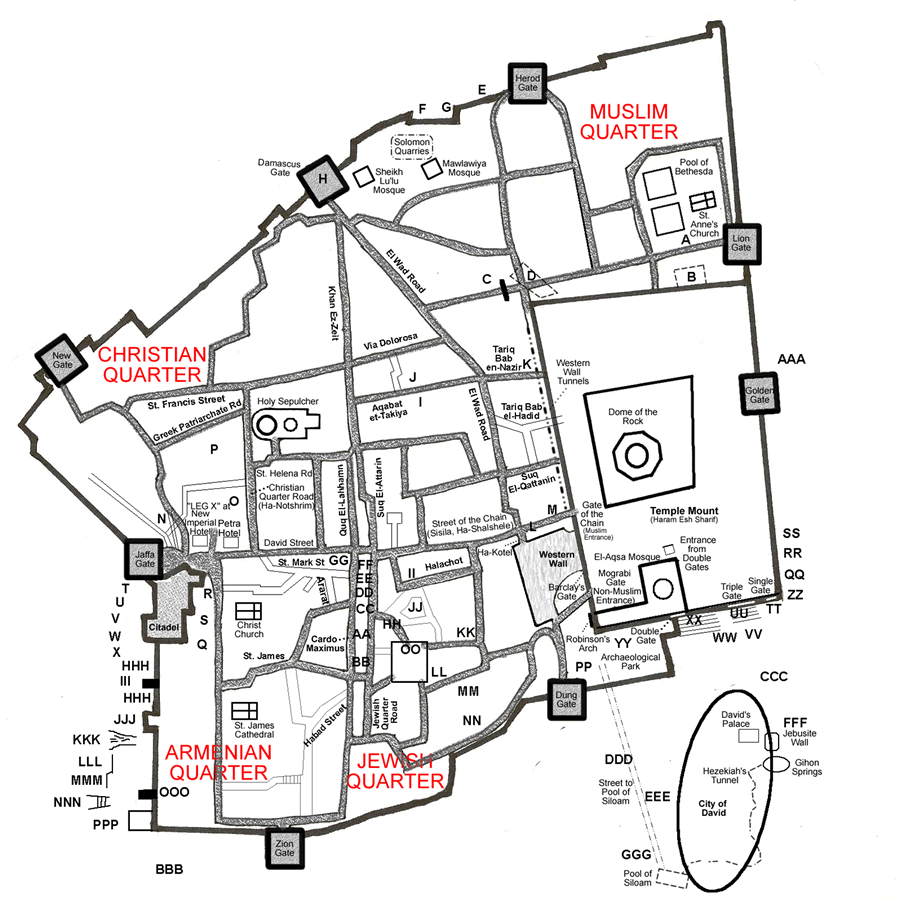
http://c8.alamy.com/comp/DRHJ2F/the-plan-of-jerusalem-town-map-layout-DRHJ2F.jpg
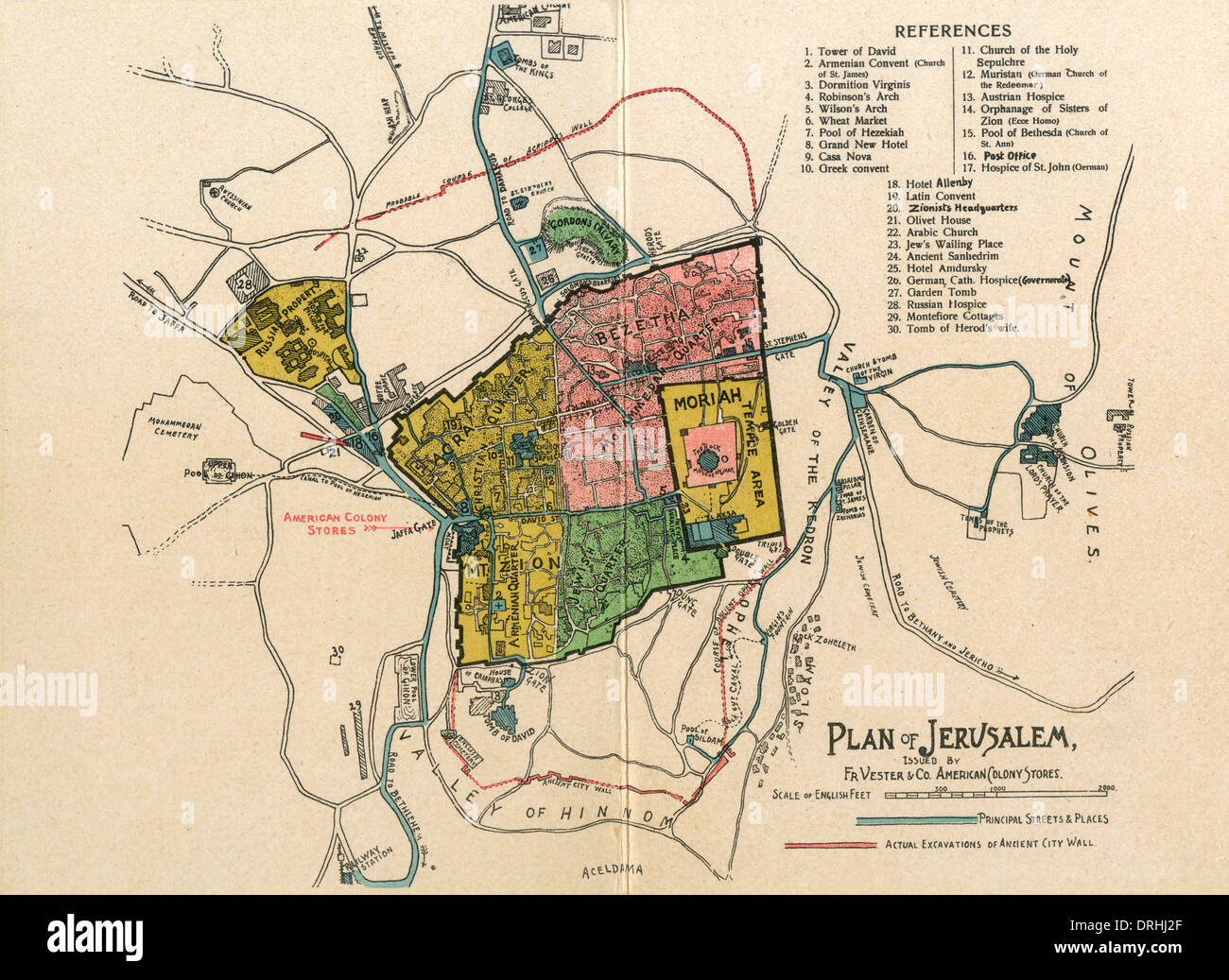
South of the Temple Mount is a Circle that is basically what Tradition now calls the City of David, where Bob Cornuke thinks The Temple was. I have argued the City of David is Bethlehem but do think that site was the Core of the Jebus David originally captured. David had palaces in both cities. And I place neither Temple in either.
Wikipedia acknowledges three traditional candidates for the Hill that is Mt Zion. I think Zion is none of those but in Bethlehem.
The one within the supposed "City of David" is what Bob Cornuke thinks The Temple was built on. The second is simply applying the term to the main Temple Mount, the traditional Mt Moriah.
The third, the Western hill, which is South of the Armenian Quarter. is a site Christian Tradition has called Mt Zion, and that has it's own claimed site for King David's Tomb (in the same compound as the traditional site of the Upper Room of the Last Supper and Pentecost), but that Jewish tradition knows most certainly was not Zion and probably not part of David's Jerusalem at all.
Justinian built an important Church on this "Zion", the Nea Ekklesia of The Theotokos, which Porcopius describes in a way that is designed to parallel the account of Solomon's Temple. It was originally thought to be where the Al Aqsa Mosque is, but we now know it was on the Western Hill.
Earlier was built there the Church of the Holy Apostles (not to be confused with many more famous churches of that name) and the Hagia Sion which is now the Abbey of the Dormition.
Perhaps the Western Hill is the real Mount Moriah and one of these Churches was built where Solomon's Temple was? Since I firmly believe Solomon's Temple would not have been built on the full top of the Hill, I think the Nea possibly fits best.
So, I hope that was enlightening. This is mostly speculative so I can't be sure of anything yet.
Update October 15th: And the day after posting this, I found that at least someone before me has argued the Nea Ekklesia is where Solomon's Temple was. Their reasons for coming to this conclusion may be different from mine, I haven't read all of what they've argued yet. (They mistakenly think The Mercy Seat was a Throne like many.) They seem to believe the Second Temple was also at this site, which I'm open to.
https://haheykal.wordpress.com/.
I was also off a little on where I thought the Nea was. It's more where the Jewish and Armenian Quarter meet, between the Zion and Dung gates, and includes the HaTkuma Garden. This blog places the Holy of Holies under the current Deir al Zeitune Armenian Church, which is an interesting coincidence given it's a Church with a Dome. According to tradition that Church was the house of High Priest Ananias, which could easily have been near The Temple. Perhaps High Priests often lived just west of the Holy of Holies to try and fit the imagery of Ezekiel's Temple.
But again, given the starting premise of this post, it could be Ananias house was built over where Solomon's Temple was.
Update October 23rd 2017:
On a website about this Church, it says the Church's traditions also linked it to 2 Samuel 24:16-17 and I Chronicles 21:15-16, which is about the Threshing Floor of Ornan. Seemingly not noticing that that is the site of Solomon's Temple.
The Armenians' traditions also associate Queen Helena and King Abgar with founding the Church at this location, figures who've interested me for a few reasons. And the Armenian traditional history of the site seems to skip the period when Justinian's Nea Ekklesia would have been here.
I also found a YouTube Video on the Theory.
The Olive Tree associated with this site is also interesting, when you study references to Olive Trees in The Bible. Both literally and symbolically.
Update March 25th 2018: Based on this recent post of mine, I've now sorta switched. I think the Nea Eklessia was where the Second Temple was, and maybe Bob Cornuke's location was Solomon's Temple he's just wrong on how he makes much of that argument.
Friday, October 13, 2017
The Trees of The Garden of Eden
I want to talk about a few controversial issues related to the matter of the Trees of The Garden of Eden.
First, many Gap Theorists and Preterists believe it was not physical Death that began when Adam eat the forbidden fruit. And they insist that him not dying within 24 hours is proof of that, since God said "in that day". To answer that, I'll quote from Wikipedia.
Also from Wikipedia.
Another detail from Wikipedia.
Biblically the Tree of Knowledge of Good and Evil doesn't come up again outside of Genesis 2 and 3. The Tree of Life does, but still rather rarely.
Most notably is it coming up in Revelation, in chapter 2 verse 7, and a a few times in chapter 22, verses 2 and 14. Where it is seemingly depicted as something only those in New Jerusalem have access to, which becomes the foundation of the Conditional Immortality doctrine.
Problem with that doctrine is as special as the Tree is, nothing here says only those Eating from it live forever. At the same time contrary to popular assumption some access to it may be available to those not permanently living in New Jerusalem. It's leaves are for "the Healing of the Nations", plural, New Jerusalem is one Nation, the Kingdom Jesus rules directly. It could be only Citizens of the City can eat the Fruit, but the Leaves are for all.
Genesis 3:22 implies the Tree of Life could have prolonged Adam's life after he'd fallen. But I don't see that as proof that was it's main purpose. Clinging to this idea frankly can lead to a conclusion that even Yahuah's immortality is dependent on The Tree.
Proverbs (3:18; 11:30; 13:12; 15:4) uses the term "Tree of Life" but in English at least it seems to not be refereed to with a definite article. Most interesting is that Wisdom is called "a Tree of Life". I have been of two minds about who Wisdom is, I've viewed her both as The Holy Spirit, and as Jesus. Since those two are ultimately the same since I believe in The Trinity, that distinction isn't to important.
There are other ways the word translated Life in reference to this Tree has been translated. The same word is used to call Yahuah the Living God in Deuteronomy 5:26. Going back to Proverbs, and the perception that the Genesis narrative is calling knowledge bad. Perhaps the Tree of Life is the Tree of Divine Wisdom.
There is a theory out there that the Tree of Life and Tree of Knowledge are the same. Genesis 2:9, could be read that way, as the "and" doesn't have a direct basis in the Hebrew, it could be describing two titles for the same Tree. I at first saw Genesis 3:22 as an obvious problem for that. However the word "also" can also mean again. So maybe it could still be read as referring to only one Tree, and God wanting to prevent continued eating of the Tree while Adam was in his fallen state.
Taken again from Wikipedia.
If they are the same Tree, why was eating it bad then but not in the Future when we're Resurrected?
Possibly because we'll have been cleansed of Sin in The Blood of Jesus by then. That the "knowledge" in question wasn't knowledge we were never meant to have, Adam and Eve just weren't ready for it yet. Remember God knew what was going to happen.
But I'm still ultimately undecided.
First, many Gap Theorists and Preterists believe it was not physical Death that began when Adam eat the forbidden fruit. And they insist that him not dying within 24 hours is proof of that, since God said "in that day". To answer that, I'll quote from Wikipedia.
Robert Alter emphasizes the point that when God forbids the man to eat from that particular tree, he says that if he does so, he is "doomed to die". The Hebrew behind this is in a form regularly used in the Hebrew Bible for issuing death sentences.[4]I also want to address what "Knowledge of Good and Evil" means. First of all it's never called the "Tree of Knowledge" without qualification, it's a certain type of Knowledge.
Also from Wikipedia.
The phrase in Hebrew: טוֹב וָרָע, tov wa-raʿ, literally translates as good and evil. This may be an example of the type of figure of speech known as merism, a literary device that pairs opposite terms together in order to create a general meaning, so that the phrase "good and evil" would simply imply "everything". This is seen in the Egyptian expression evil-good, which is normally employed to mean "everything". In Greek literature, Homer also uses the device when he lets Telemachus say, "I know all things, the good and the evil" (Od.20:309-10).[1]This seems to only further back up the perception that this narrative is vilifying knowledge. But other Bible passages encourage learning, like Paul saying 'Study and be diligent". Or the entire book of Proverbs.
Another detail from Wikipedia.
In Rashi's notes on Genesis 3:3, the first sin came about because Eve added an additional clause to the Divine command: "Neither shall you touch it". By saying this, Eve added to YHWH's command and thereby came to detract from it, as it is written: Do not add to His Words (Proverbs 30:6).I wish I'd known this when I wrote my "Yea Hath God Said" study.
Biblically the Tree of Knowledge of Good and Evil doesn't come up again outside of Genesis 2 and 3. The Tree of Life does, but still rather rarely.
Most notably is it coming up in Revelation, in chapter 2 verse 7, and a a few times in chapter 22, verses 2 and 14. Where it is seemingly depicted as something only those in New Jerusalem have access to, which becomes the foundation of the Conditional Immortality doctrine.
Problem with that doctrine is as special as the Tree is, nothing here says only those Eating from it live forever. At the same time contrary to popular assumption some access to it may be available to those not permanently living in New Jerusalem. It's leaves are for "the Healing of the Nations", plural, New Jerusalem is one Nation, the Kingdom Jesus rules directly. It could be only Citizens of the City can eat the Fruit, but the Leaves are for all.
Genesis 3:22 implies the Tree of Life could have prolonged Adam's life after he'd fallen. But I don't see that as proof that was it's main purpose. Clinging to this idea frankly can lead to a conclusion that even Yahuah's immortality is dependent on The Tree.
Proverbs (3:18; 11:30; 13:12; 15:4) uses the term "Tree of Life" but in English at least it seems to not be refereed to with a definite article. Most interesting is that Wisdom is called "a Tree of Life". I have been of two minds about who Wisdom is, I've viewed her both as The Holy Spirit, and as Jesus. Since those two are ultimately the same since I believe in The Trinity, that distinction isn't to important.
There are other ways the word translated Life in reference to this Tree has been translated. The same word is used to call Yahuah the Living God in Deuteronomy 5:26. Going back to Proverbs, and the perception that the Genesis narrative is calling knowledge bad. Perhaps the Tree of Life is the Tree of Divine Wisdom.
There is a theory out there that the Tree of Life and Tree of Knowledge are the same. Genesis 2:9, could be read that way, as the "and" doesn't have a direct basis in the Hebrew, it could be describing two titles for the same Tree. I at first saw Genesis 3:22 as an obvious problem for that. However the word "also" can also mean again. So maybe it could still be read as referring to only one Tree, and God wanting to prevent continued eating of the Tree while Adam was in his fallen state.
Taken again from Wikipedia.
According to the one-tree theory proposed by Karl Budde, in his critical research of 1883, he outlined that there was only one tree in the body of the Genesis narrative and it qualified in two ways: one as the tree in the middle of the Garden, and two as the forbidden tree. Claus Westermann gave recognition to Budde's theory in 1976.[4]Interestingly the idea of both Trees being the same seems to be the Islamic view.
Ellen van Wolde noted in her 1994 survey that among Bible scholars "the trees are almost always dealt with separately and not related to each other” and that “attention is almost exclusively directed to the tree of knowledge of good and evil, whereas the tree of life is paid hardly any attention."[5]
The Quran never refers to the tree as the "Tree of the knowledge of good and evil" but rather typically refers to it as "the tree" or (in the words of Iblis) as the “tree of immortality”.[18] Muslims believe that when God created Adam and Eve, He told them that they could enjoy everything in the Garden but this tree, and so, Satan appeared to them and told them that the only reason God forbade them to eat from that tree is that they would become Angels or become immortals.
In the Quran Allah does not refer to it directly as the tree of life or immortality. He only referred to it as the tree; Satan was the one who called it the tree of immortality to trick Adam and Eve.I'm not sure entirely what to make of all this. But I feel I have firmly drilled holes in the logic of both Conditional Immortality and the notion that Physical Death was always something Adam was capable of.
If they are the same Tree, why was eating it bad then but not in the Future when we're Resurrected?
Possibly because we'll have been cleansed of Sin in The Blood of Jesus by then. That the "knowledge" in question wasn't knowledge we were never meant to have, Adam and Eve just weren't ready for it yet. Remember God knew what was going to happen.
But I'm still ultimately undecided.
Subscribe to:
Posts (Atom)